

Wildflowers of Anza-Borrego Desert State Park
California > Anza-Borrego Desert State Park > Wildflowers

Flowers are found across most of the park, all but high mountains, rocky hillsides, badlands and some sandy desert regions. Favored locations include:
- Borrego Palm Canyon - a sheltered canyon with palm trees and many other plants.
- Culp Valley - a higher elevation area near the eastern park boundary along S22.
- Henderson Canyon Road - paved highway northeast of Borrego Springs, passing good wildflower terrain close to Coyote Creek, at the foot of Coyote Mountain.
- Plum Canyon - a side canyon of San Felipe Creek Valley, south of CA 78.
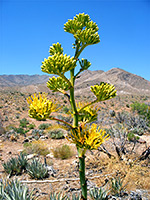
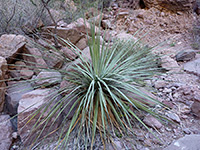
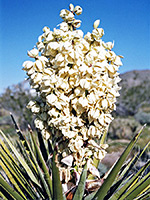
- Agaves and Yuccas, including Mojave yucca, nolina and desert agave.
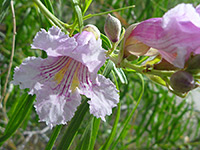
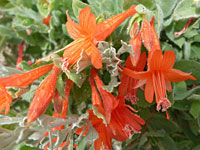
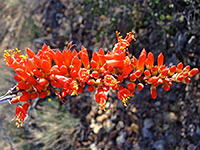
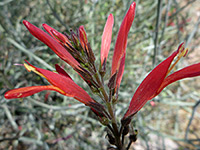
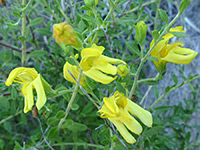
- Bushes - ocotillo, indigo bush, brittlebush, desert willow, chuparosa, palo verde and creosote bush.
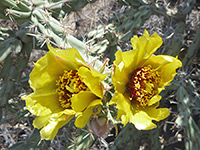
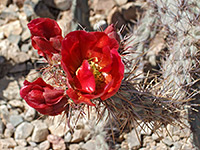
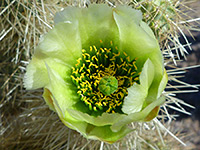
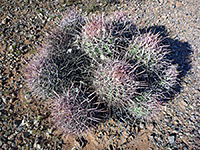
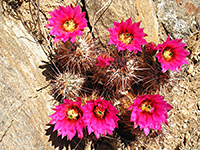
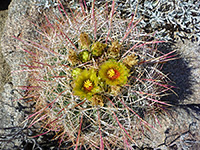
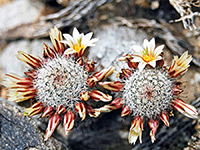
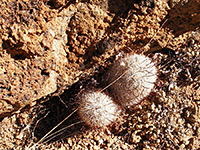
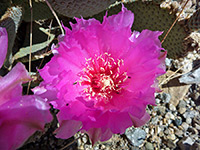
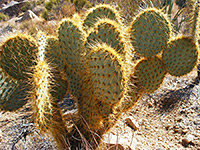
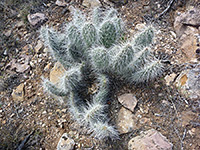
- Cacti - cylindropuntia (cholla), opuntia, ferocactus (barrel cactus), mammillaria, echinocereus.
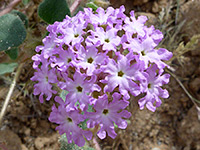
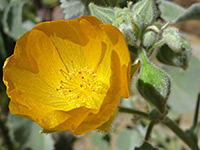
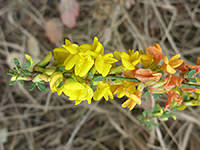
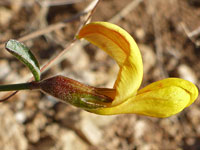
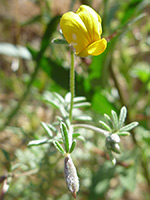
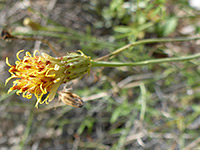
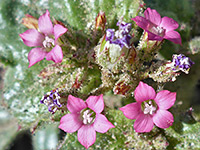
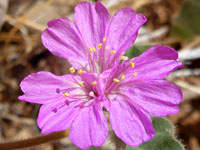
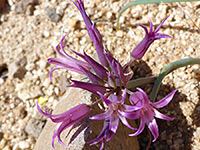
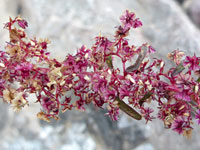
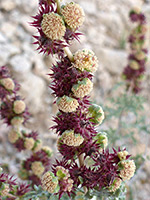
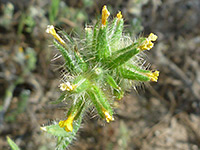
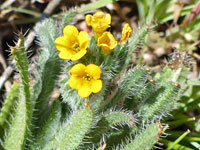
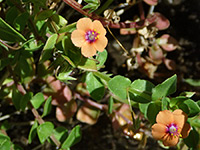
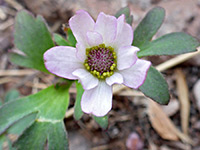
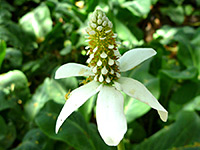
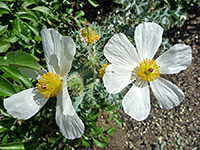
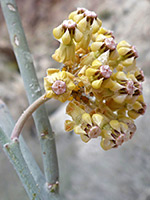
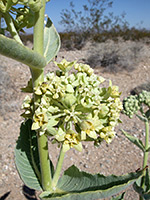
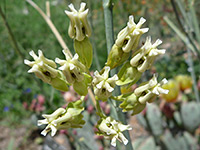
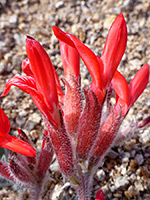
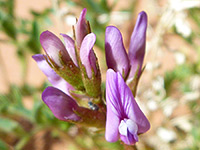
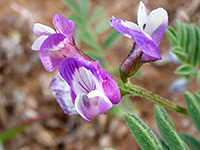
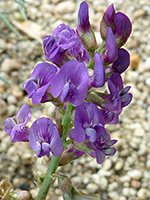
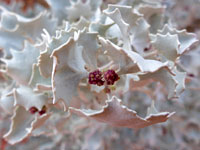
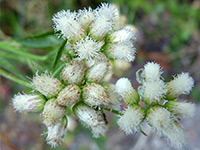
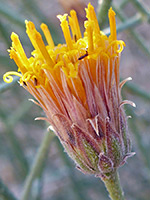
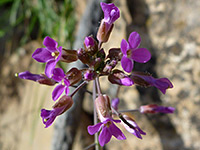
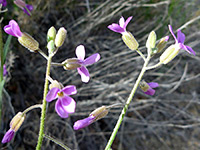
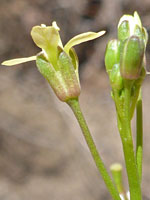
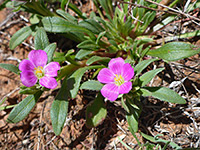
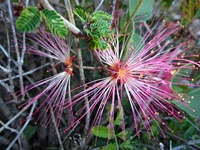
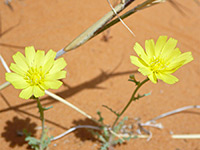
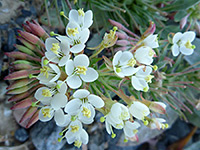
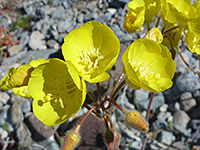
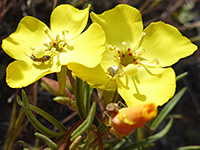
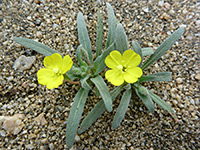
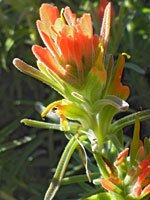
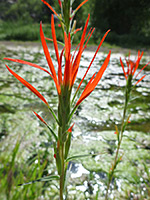
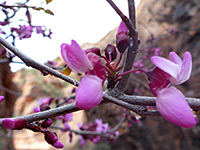
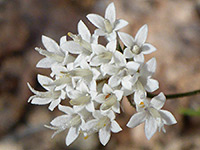
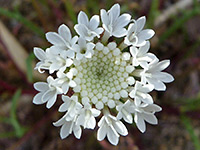
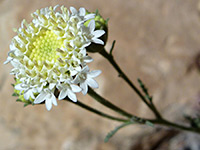
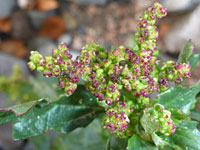
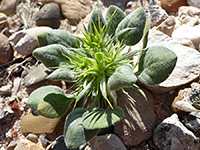
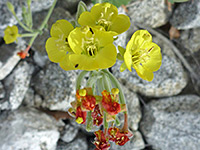
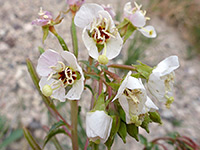
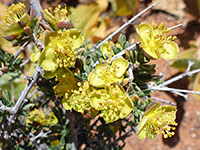
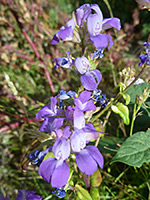
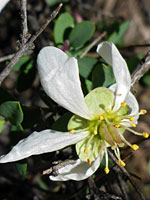
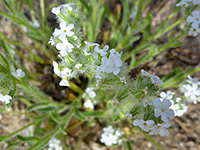
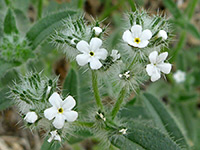
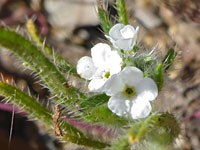
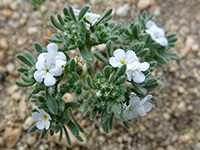
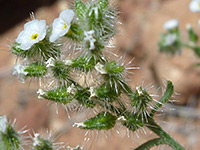
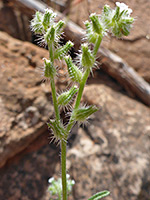
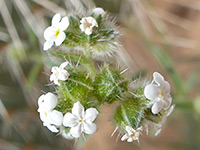
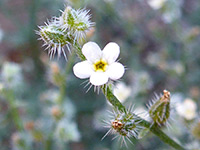
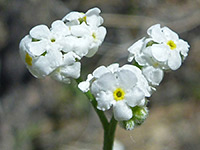
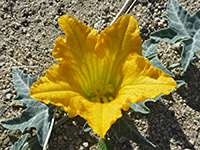
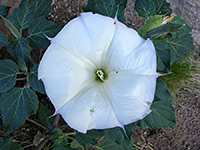
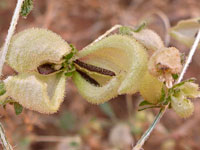
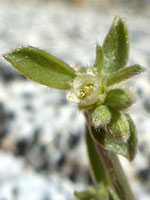
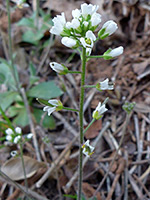
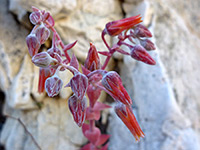
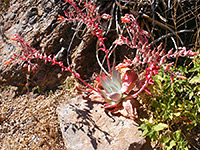
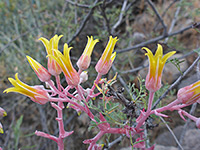
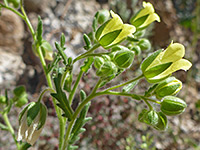
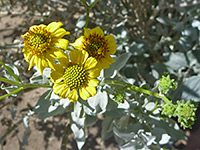
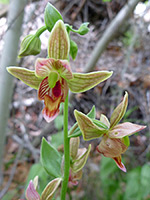
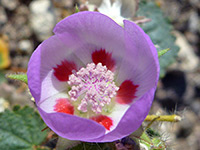
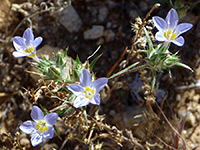
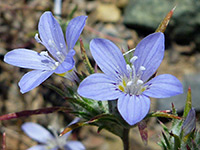
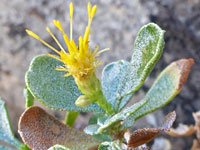
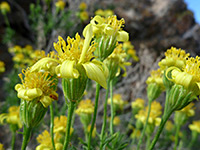
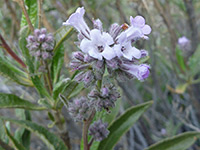
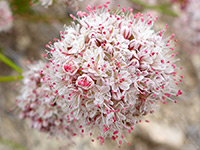
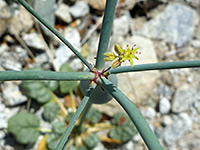
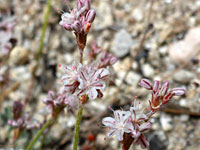
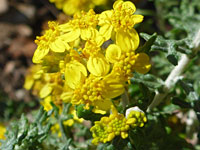
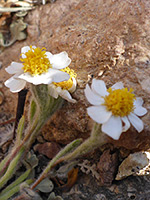
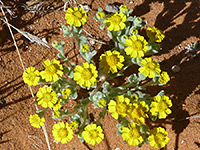
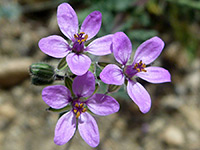
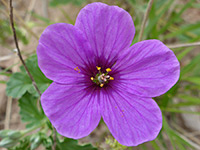
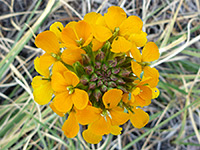
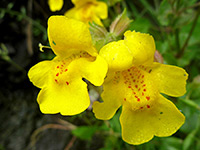
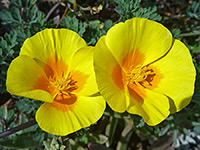
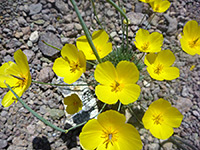
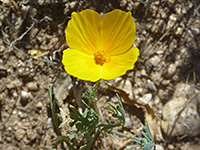
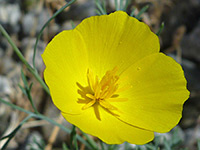
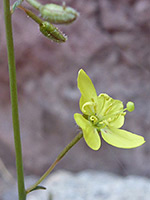
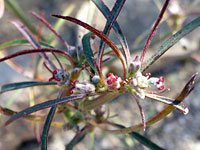
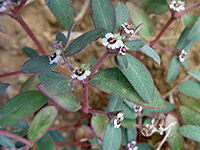
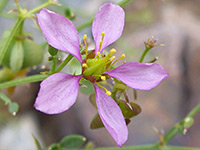
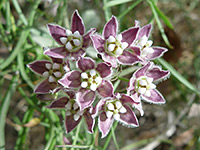
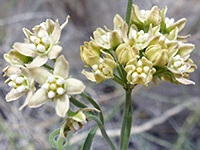
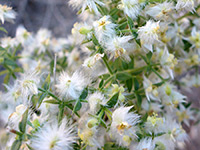
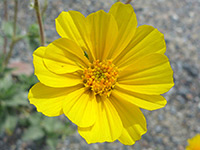
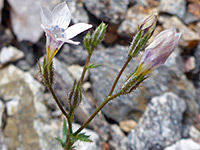
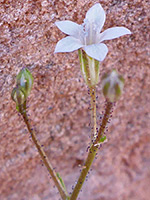
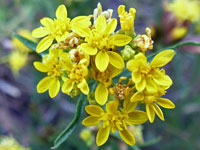
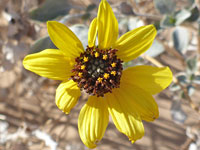
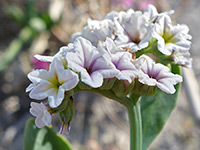
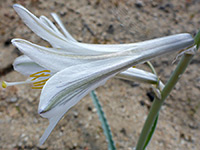
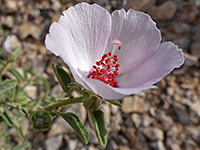
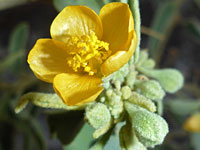
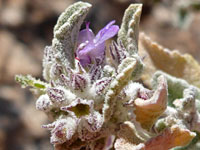
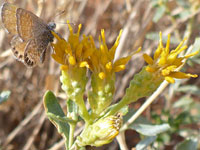
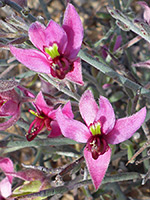
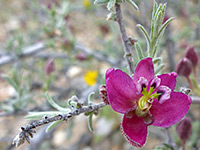
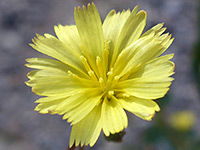
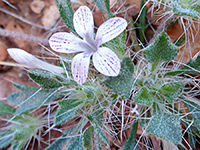
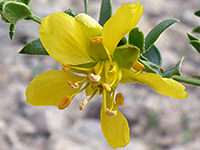
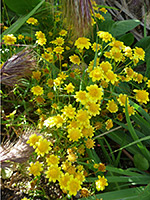
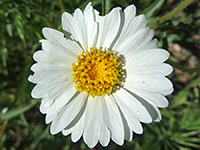
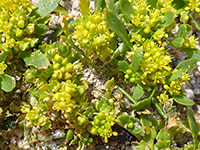
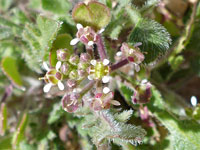
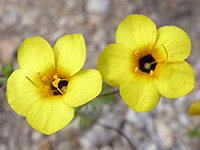
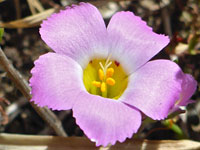
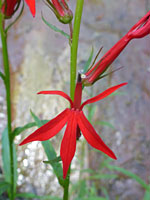
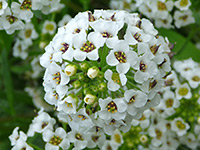
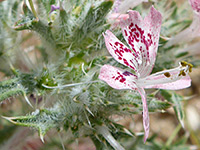
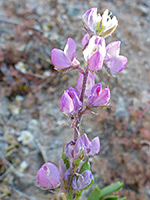
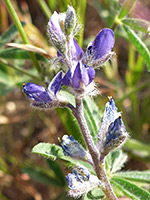
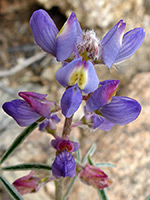
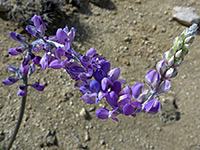
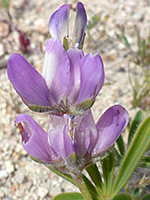
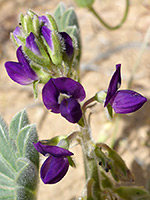
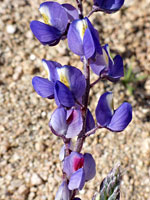
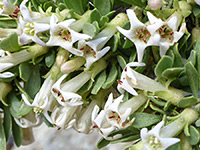
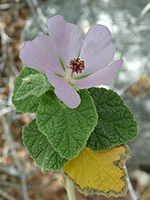
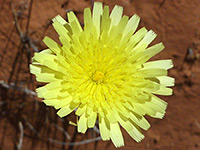
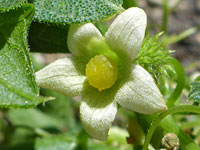
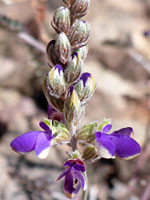
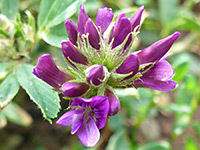
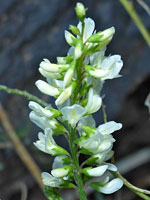
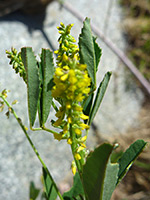
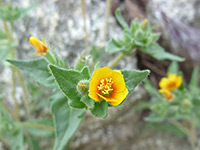
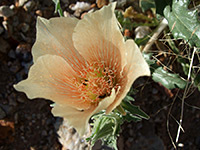
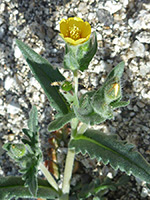
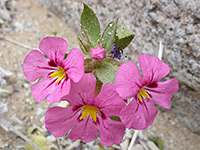
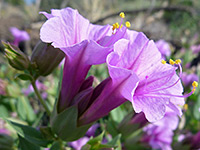
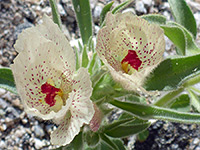
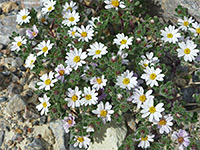
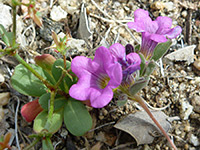
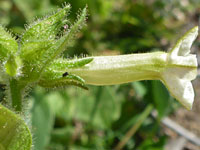
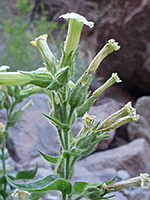
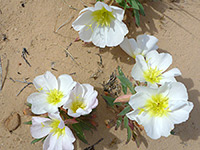
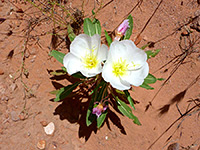
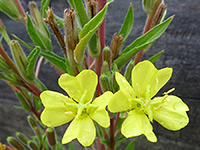
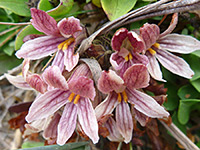
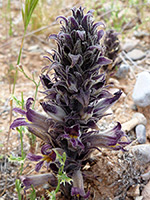
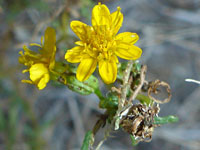
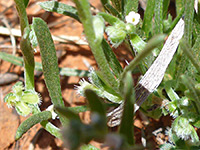
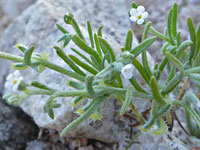
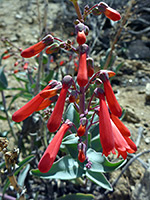
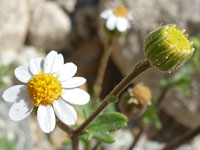
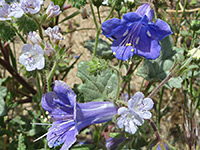
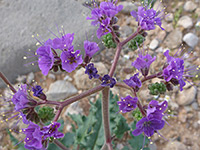
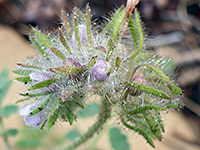
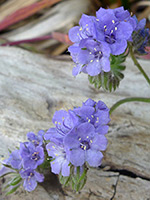
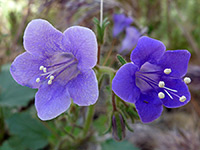
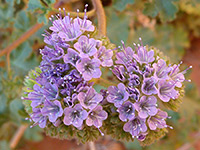
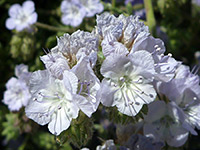
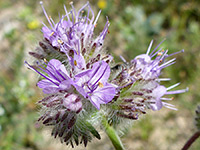
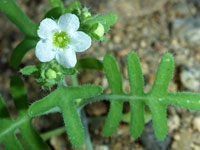
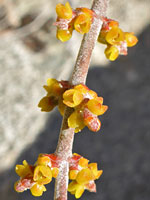
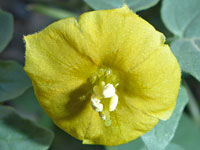
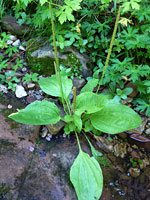
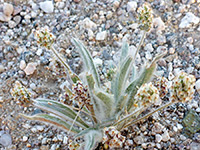
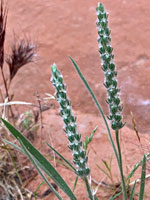
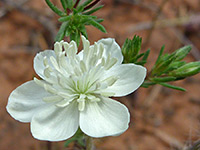
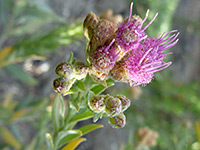
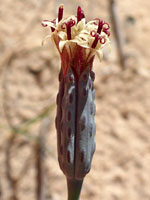
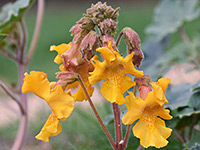
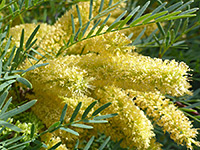
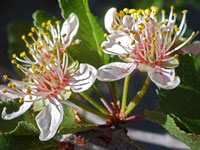
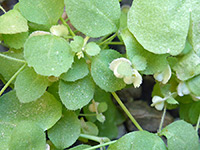
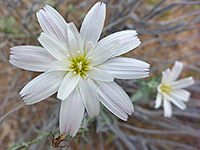
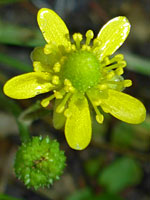
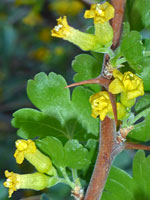
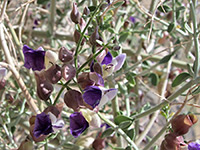
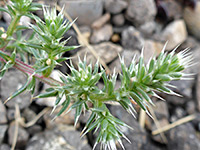
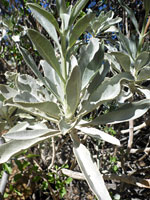
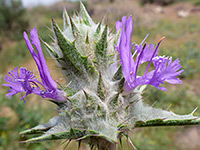
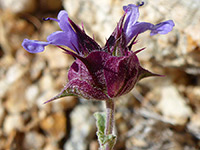
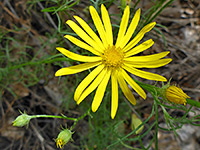
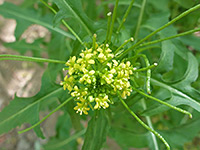
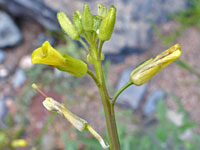
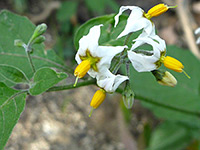
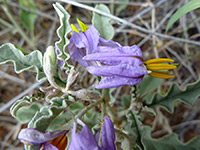
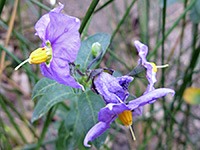
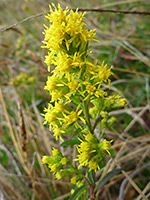
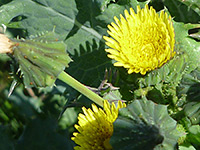
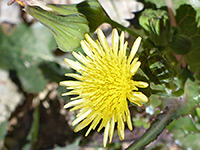
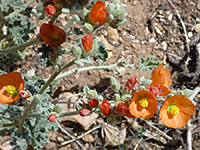
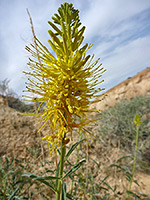
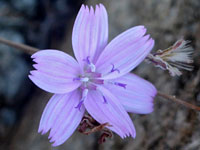
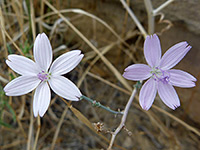
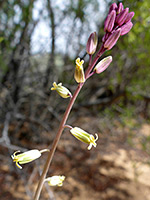
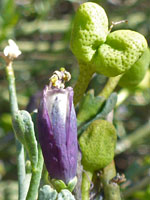
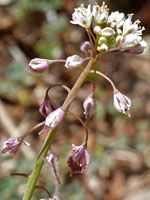
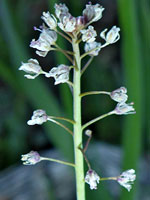
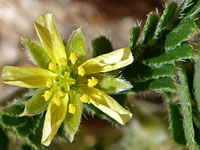
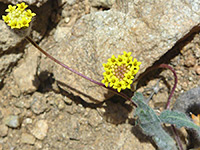
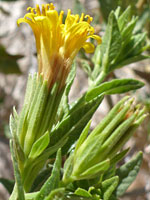
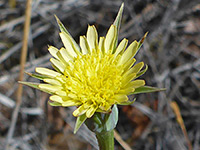
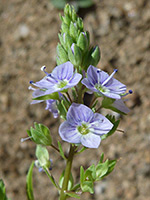
- Wildflowers - numerous smaller plants, ranging from tiny species less than 1 cm across like the Bigelow monkey flower to the datura, whose large white blooms may be up to 6 inches in diameter. Some of the showier species are desert lily, sand verbena, desert apricot, phacelia, chicory, desert lavender, lupine, dune evening primrose and desert dandelion.
Wildflower Species of Anza-Borrego Desert State Park
Follow the links for full descriptions.
All Contents © Copyright The American Southwest | Comments and Questions | Contribute | Affiliate Marketing Disclosure | Site Map